
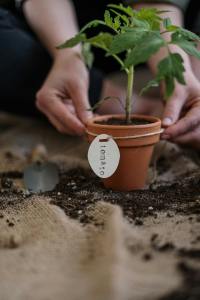
In today’s fast-paced world, where stress seems to be an inevitable part of our daily lives, finding solace in nature has become more crucial than ever. Gardening, once seen primarily as a hobby or a way to beautify outdoor spaces, is now gaining recognition for its profound impact on mental health and its therapeutic benefits, particularly in alleviating depression. As we delve into the lush greenery and vibrant blooms of our gardens, we not only nurture plants but also nurture our own well-being.
Nature’s Remedy: Connecting with the Earth
Gardening offers a unique opportunity to reconnect with nature—a grounding experience that can provide a sense of tranquility and calmness. The act of digging in the soil, planting seeds, and tending to plants encourages mindfulness, allowing individuals to be fully present in the moment and escape from the whirlwind of anxious thoughts that often accompany depression.
Studies have shown that spending time in green spaces can significantly reduce stress levels and promote relaxation. The sights, sounds, and scents of the garden stimulate our senses, invoking a sense of wonder and awe that can uplift our mood and soothe our troubled minds.
Cultivating Growth: A Source of Purpose and Achievement
One of the most rewarding aspects of gardening is witnessing the tangible results of our efforts as seeds sprout, flowers blossom, and fruits ripen. This sense of accomplishment and progress can be especially empowering for those struggling with depression, providing a much-needed boost to self-esteem and confidence.
Engaging in a meaningful activity like gardening gives individuals a sense of purpose and responsibility, offering a distraction from negative thoughts and a renewed sense of motivation to face life’s challenges. Whether it’s nurturing delicate seedlings or transforming an empty plot of land into a vibrant oasis, the process of growth and transformation in the garden mirrors our own journey towards healing and resilience.
Therapeutic Benefits: Mind, Body, and Soul
Beyond its aesthetic appeal, gardening has been recognized as a form of horticultural therapy—a holistic approach to improving mental health and well-being. The physical activity involved in gardening, such as digging, weeding, and watering, provides a natural outlet for releasing tension and pent-up emotions, promoting relaxation and reducing symptoms of anxiety and depression.
Moreover, the exposure to sunlight during outdoor gardening sessions stimulates the production of vitamin D, which has been linked to mood regulation and the prevention of seasonal affective disorder (SAD). In addition, the symbiotic relationship between humans and plants fosters a sense of connection and companionship, reducing feelings of loneliness and isolation often associated with depression.
Conclusion: Cultivating Hope and Healing
In the midst of life’s trials and tribulations, the simple act of gardening offers a sanctuary of serenity and renewal—a place where seeds of hope can take root and flourish. As we nurture the earth, we also nurture our own spirits, finding solace, strength, and inspiration amidst the beauty of nature.
Incorporating gardening into our lives, whether it’s tending to a small container garden on a balcony or cultivating a sprawling backyard paradise, can be a powerful tool for managing depression and improving overall mental health. So, let us embrace the therapeutic wonders of gardening and embark on a journey of growth, healing, and transformation—one plant at a time.
References:
- Soga, M., Gaston, K. J., & Yamaura, Y. (2017). Gardening is beneficial for health: A meta-analysis. Preventive Medicine Reports, 5, 92–99.
- Gonzalez, M. T., & Hartig, T. (2010). The psychological effects of indoor plants: A critical review of the experimental literature. Journal of Environmental Psychology, 29(4), 422–433.
- Detweiler, M. B., Sharma, T., Detweiler, J. G., Murphy, P. F., Lane, S., Carman, J., & Chudhary, A. S. (2012). What is the evidence to support the use of therapeutic gardens for the elderly? Psychiatry Investigation, 9(2), 100–110.
- Son, K. C., & Um, M. Y. (2018). The Effects of Gardening Activities on Self-Esteem and Depression of the Elderly. Journal of Korean Academy of Psychiatric and Mental Health Nursing, 27(1), 1–10.
